
How Many Dudes?
Butterscotch ShenanigansStrategy
4.3173.00 Reviews
- Version
- 100.0.911
- Installs
- 100.00K
- Age Rating
- Teen
Screenshots
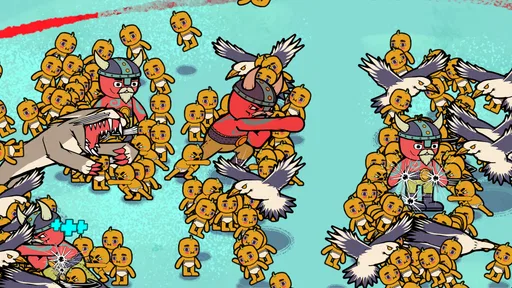
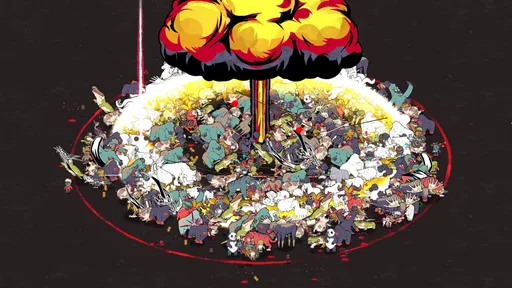
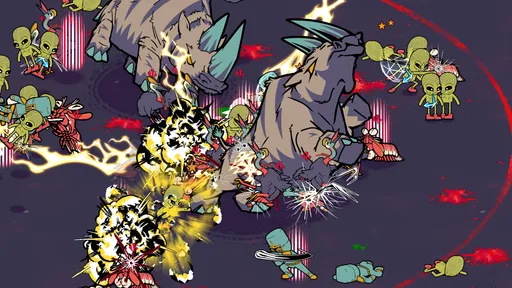
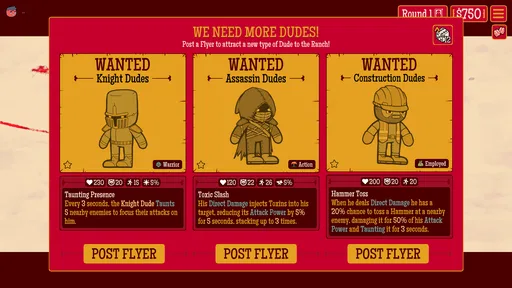
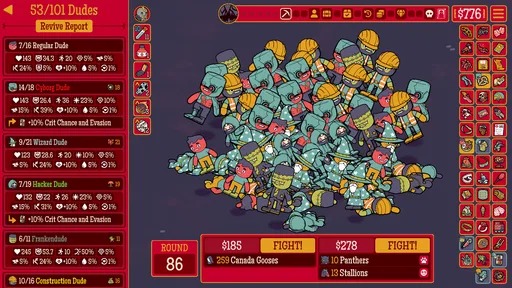
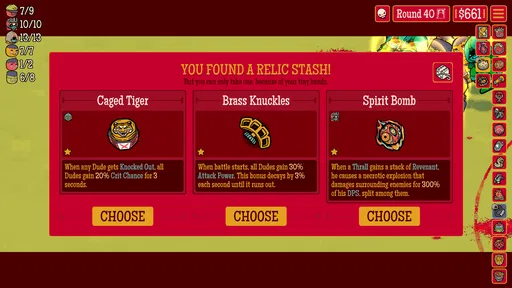
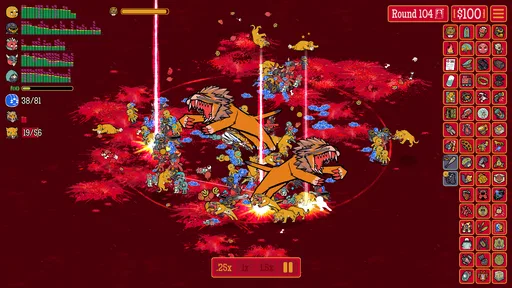
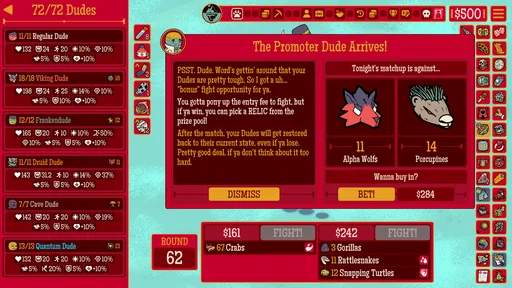
Our Review of How Many Dudes?
 Analysis by Appyee
I went into How Many Dudes? expecting a deliberately silly strategy game, and that is exactly the mood it creates. The premise is easy to understand: build a force of Dudes, send them into absurd battles, and make decisions that keep the run moving. What makes it interesting is the tension between the joke and the planning. It looks lightweight, but the roguelike structure gives each attempt enough uncertainty to make a careless choice matter.
This is a paid strategy game from Butterscotch Shenanigans, priced at $9.99, and it is aimed at Teen players. It has reached over one hundred thousand installs, with an average rating of 4.3 from roughly nine hundred ratings and around one hundred seventy reviews. Those figures suggest a healthy audience without making the game feel like a mass-market time sink. I see it as a more focused purchase for people who enjoy experimenting with runs rather than collecting a huge catalog of permanent distractions.
How the first runs establish their goals
The early appeal comes from having a clear question in front of me: how large and effective can this Dude army become before the run falls apart? That goal is much more useful than a complicated tutorial because it immediately connects the humor to the strategy. Recruiting is not just a funny visual idea; it gives every decision a practical consequence. A bigger group feels satisfying, but the real challenge is making that group survive the battles ahead.
I like that the central objective is easy to remember while the route toward it invites experimentation. In a typical early run, I am not trying to master every rule at once. I am watching what helps the army grow, what makes a battle safer, and which choices seem attractive but create problems later. That learning process gives the opening a natural rhythm: try something, see how the army responds, then adjust on the next attempt.
The comedy also helps the first sessions avoid the dry feeling that can affect some strategy games. The Dudes are intentionally ridiculous, so failure does not feel as severe as losing a carefully built empire in a traditional 4X title. At the same time, the battle decisions still need attention. The humor is the wrapper, not a replacement for the underlying run-based decision-making.
One useful habit is to resist chasing the largest possible army immediately. A recruit is valuable because it contributes to the run, but size alone is not a complete plan. I found it more productive to treat each addition as part of a broader survival question: does this improve my next battle, or am I only enjoying the number going up? That small change in mindset makes the opening more strategic and prevents the game from becoming a simple recruitment counter.
Why the progression signals matter
Games in this style live or die by how clearly they show progress. Here, the army itself is the most obvious signal. Watching a small group turn into a more convincing force creates an immediate sense of momentum, even before I fully understand the best way to optimize a run. The visual and thematic growth gives short sessions a satisfying shape because I can see that my decisions have changed the situation.
The roguelike format adds a second kind of progress: knowledge. A failed attempt is not automatically wasted if it teaches me how to approach the next battle or which kind of choice deserves caution. This is especially important for a game built around repeated runs. I am not only trying to improve the current army; I am improving my judgment about the game’s patterns.
That distinction makes the experience more approachable than a strategy title that demands a long campaign before its systems become meaningful. I can learn in small pieces. A quick session can answer one question, such as whether a risky recruitment decision is worth taking, without requiring me to commit to an enormous map or a long evening of play.
There is also a trade-off here. Players who need a large permanent progression tree, a detailed technology ladder, or a long narrative campaign may find the signals less substantial than they expect from a full-scale strategy game. The satisfaction is tied to runs, choices, and the absurd growth of the Dude army. If I want a persistent world that remembers every major achievement in a conventional campaign structure, this is not the same kind of reward.
My most effective approach was to use each run as a small experiment rather than judging it only by its outcome. I paid attention to the point where a promising army began to feel unstable, then changed one type of decision in the next attempt. That creates a practical feedback loop: observe, adjust, and test again. It is a stronger way to play than repeating the same choices and hoping the result changes.
The difficulty curve rewards attention more than patience
The difficulty feels most interesting when the game moves beyond the comfort of simply adding more Dudes. Early success can create overconfidence, particularly when the army looks stronger after every recruitment. The challenge is recognizing that growth does not remove risk. A large force can still be exposed if the choices behind it are poorly balanced.
I appreciate that this encourages active decision-making instead of passive waiting. The game is not most enjoyable when I treat it as something that plays itself while I check in occasionally. Its strategy comes from deciding when to push, when to protect the run, and when a tempting opportunity is not worth the danger. Those choices give the battles their purpose.
The roguelike structure also makes difficulty feel personal. A failed run can come from a bad decision, an overly ambitious plan, or simply from not yet understanding how the game wants me to think. That is a better kind of frustration than losing because the interface hides essential information. I generally knew that my choices had led me into trouble, even when I did not immediately know the perfect alternative.
Still, this format will not suit everyone. If I want a gentle strategy game that lets me build without meaningful setbacks, the repeated possibility of losing a run may become tiring. Likewise, players who prefer highly predictable puzzles may dislike the uncertainty that comes with a roguelike design. The game asks me to accept imperfect information and learn through repetition.
A practical tip is to separate experimentation from serious attempts. When I am testing an unfamiliar option, I should treat the run as a learning session rather than expecting a clean victory. Once I understand the consequences, I can make a more conservative attempt and use what I learned. This makes failure feel useful and reduces the temptation to blame the game whenever a run ends badly.
Does the loop create healthy retention?
The strongest reason to return is the simple desire to see whether the next army can go farther. That motivation works because each run combines a familiar objective with enough variation in decision-making to make the outcome uncertain. I know what I am trying to achieve, but I do not always know which path will be safest or funniest.
For me, that is a better retention loop than a game that relies only on constant notifications or an endless stream of unrelated tasks. The reason to come back is connected to the strategy itself. I want to try a different approach, correct a previous mistake, or find out whether a more daring plan can survive. The absurd tone makes these experiments feel less punishing than they might in a serious military simulator.
The paid model changes how I view that loop. Paying $9.99 means I expect a complete-feeling experience rather than a design built around repeatedly pushing me toward purchases. That makes the focused run structure more appealing, especially if I prefer buying a game once and deciding for myself when to play it. It also means I will notice repetition more quickly. A paid game has to make its core choices enjoyable enough to support return sessions without relying on artificial pressure.
There is a clear limit to the retention appeal. If the basic pleasure of recruiting Dudes and improving a run does not click during the first sessions, there may not be enough variety for a reluctant player to stay engaged. This is not the right choice for someone seeking a broad social game, a deep story, or a long-form management simulator. Its hook is narrow by design, and that is both its identity and its main risk.
I would also be cautious about recommending it to someone who dislikes replaying similar scenarios. The roguelike structure expects repetition, and the value comes from making better decisions within that repeated framework. A player who sees every failed run as lost time may never reach the point where the learning loop becomes satisfying.
Where it fits among strategy alternatives
Compared with a traditional empire-building strategy game, this is much more immediate. I am not managing a civilization across a huge timeline or balancing a long list of economic systems. The focus stays closer to the army and the next set of battles. That makes it easier to pick up for a short session, but it also means there is less room for the sprawling stories that emerge from grand strategy.
Compared with a conventional tower defense game, the emphasis feels less like placing a fixed line of defenses and more like shaping a force through a run. Someone who enjoys arranging towers and studying enemy paths may prefer that more structured alternative. Someone who wants decisions to carry forward through an unpredictable attempt may find the Dude army more engaging.
It also differs from a typical idle or incremental game. The appeal is not simply watching a resource climb while waiting for the next upgrade. I get more value when I actively think about the consequences of recruitment and battle choices. That makes it a poor fit for passive play, but a good fit for players who want a lighthearted strategy loop that still asks for attention.
The closest comparison is probably another compact roguelike strategy game, but even there the tone matters. Many games in that space lean into grim survival, fantasy combat, or dense systems. This one uses absurdity to make the decisions approachable. If I want a serious atmosphere, detailed lore, or a more formal tactical presentation, another game would likely serve me better. If I want a playful premise with meaningful run management, this has a distinct place.
Everyday use: short sessions, shared jokes, and focused play
I can imagine playing it during a short break when I want something more involving than a casual puzzle but do not have time for a lengthy campaign. A single run gives me a defined objective, and I can stop after reaching a natural point rather than leaving a massive strategy map unfinished. That makes the game convenient for fragmented free time, provided I am in the mood to make decisions rather than play passively.
It also works well as a conversation starter. The question behind the title is funny enough to explain immediately, and showing someone how the army grows can be more entertaining than describing a complicated ruleset. I would not call it a multiplayer substitute, but its exaggerated premise gives it a social quality when sharing a screen or talking about the strangest run outcome.
For a more focused session, I would set a personal target before starting: reach a particular point safely, test a recruitment idea, or improve on the previous run. This keeps the game from turning into aimless repetition. It also helps me judge whether I am enjoying the strategy or merely chasing a larger number.
Device fit, audience, and practical expectations
The game supports Android devices running version 8.0 or later, and the current version is 100.0.911. That makes the compatibility requirement relatively approachable for many Android users, though I would still check the operating system on an older phone before buying. The Teen rating is worth noting for families, especially because the deliberately ridiculous battle theme may not appeal to every younger player even if the presentation feels playful.
Because it is a paid title, I would recommend deciding based on the core loop rather than the size of the install base. The audience is substantial enough to show that the concept has found players, but popularity alone cannot make a roguelike enjoyable for someone who dislikes repeated runs. The purchase makes the most sense when I already know that I enjoy strategy games built around experimentation and recovery from mistakes.
My advice for a new player is to give the opening enough time to reveal its decision-making before judging it solely on the comedy. The joke gets attention, but the lasting appeal comes from how I manage risk. I would also avoid trying to discover the perfect approach immediately. The game is more rewarding when I let early attempts teach me what matters and then refine my choices.
My verdict on the progression
How Many Dudes? succeeds when its simple goal turns into a series of increasingly careful decisions. The early objective is clear, the growing army provides an immediate progress signal, and the roguelike format gives failure a useful purpose. I especially like the trade-off between chasing a bigger force and protecting the run, because it prevents the central joke from becoming a shallow counting exercise.
Its limitations are just as clear. The experience is not designed for players who want a giant campaign, a serious tactical atmosphere, or a passive progression system. Repetition can also become a problem if the run-based learning loop does not hold my attention. The $9.99 price makes that distinction important: I would buy it for the focused strategy and unusual tone, not because it promises every kind of strategy experience at once.
Overall, I recommend it to players who enjoy compact roguelike games, humorous battle concepts, and decisions that become more interesting after a failed attempt. I would skip it if my priority is a persistent empire, a deep narrative, or a relaxed idle game. For the right audience, the progression has enough bite to support repeat sessions without losing the silliness that makes the premise memorable. The best reason to play is not simply building the biggest army, but learning when a ridiculous army is actually ready for its next battle.
Verdict
Strengths of How Many Dudes?
- Simple, quick rounds that are easy to understand.
- Funny visual style makes the game entertaining to play.
- Works well for short sessions during breaks.
- Lightweight gameplay is suitable for casual players.
- Offers a playful challenge without requiring complex controls.
Limitations of How Many Dudes?
- May become repetitive after several rounds.
- Limited depth may not appeal to dedicated gamers.
- Some answers can feel subjective or unclear.
- Progression may lack variety over time.
- Could include ads that interrupt the gameplay experience.
Other Releases by Butterscotch Shenanigans
View All
Crashlands 2
Adventure4.7
Similar Picks in This Category
View All
Clash of Clans
Supercell4.5

Plants vs. Zombies™
ELECTRONIC ARTS3.7

Lords Mobile: Kingdom Wars
IGG.COM4.5

Clash Royale
Supercell4.4

State.io — Conquer the World
CASUAL AZUR GAMES4.1

Car Driving School : Car Games
Spark Game Studios3.9
Frequently Asked Questions
What is How Many Dudes?
How Many Dudes? is a casual counting and guessing game built around quickly estimating or identifying how many characters, people, or figures appear on the screen. Its simple concept makes it easy to understand, while the timed challenges and changing layouts add pressure as you progress. It is mainly designed for short play sessions, quick entertainment, and testing your visual attention rather than offering a long story campaign.
How do you play How Many Dudes?
The basic gameplay is straightforward: a group of characters appears, and you must determine the correct number of dudes before selecting or submitting your answer. Depending on the challenge, the figures may be arranged in a way that makes counting less obvious, so focusing on the entire screen is important. Fast and accurate answers are generally rewarded, while mistakes or slow responses can affect your progress or score.
Is How Many Dudes? suitable for children?
How Many Dudes? is generally easy for children to understand because it relies on counting, observation, and simple on-screen interactions. However, parents should still check the current age rating, advertising policy, and any in-app purchase information shown on the Google Play Store or App Store. Younger players may also need supervision if the game includes timed challenges, online features, or advertisements.
Does How Many Dudes? require an internet connection?
The core counting gameplay may work without a constant internet connection, which makes How Many Dudes? convenient for short sessions while traveling or when mobile data is unavailable. Nevertheless, an internet connection can still be required for downloading the game, receiving updates, displaying advertisements, restoring purchases, or accessing any online features. Availability may vary by version, device, and operating system.
Is How Many Dudes? free to download and play?
How Many Dudes? may be available as a free download, but users should review the store listing carefully before installing it. Free games can include advertisements, optional purchases, or other monetization features that are not part of the basic download price. Check the latest Google Play or App Store information for supported devices, privacy details, permissions, and any costs associated with removing ads or unlocking additional content.
Play our best games!


